
Excluded: the barriers to education that COVID-19 has allowed us to reflect on
By Suzy Monzer
THE IMPACT OF COVID-19 ON SOCIO-ECONOMICALLY DISADVANTAGED STUDENTS
June 10, 2020
Amongst the stresses that come with isolation, some students are finding themselves in a difficult position while trying to shift into an online learning model.
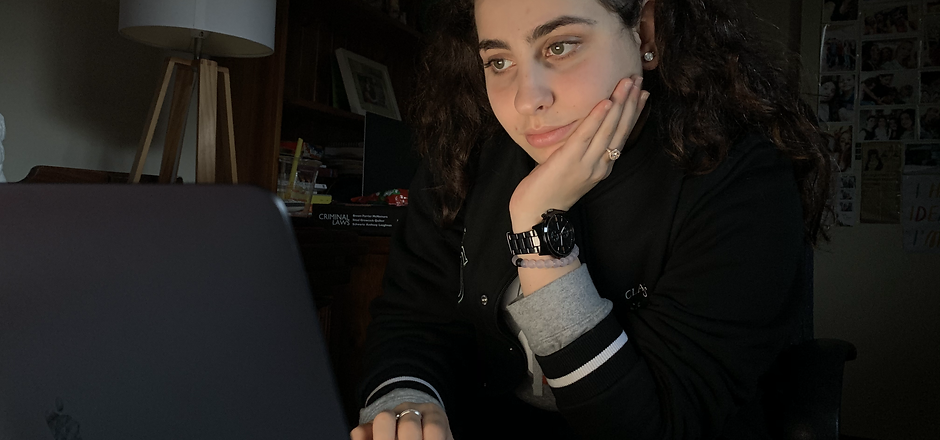
Samantha Monzer is a high school student in year 12 preparing for her HSC.
She has two siblings, one in year eight and an older sibling in university who all rely on one laptop.
“It was hard enough relying on one laptop between three of us before Covid-19, so when we were made to study full-time from home it made it harder,” she said.
“I used to rely on the computers at school occasionally, but since we’ve been home-schooling we’ve had to basically make a timetable for the laptop.
“At one point my brother was using his PlayStation to access Google Classroom,” she said.
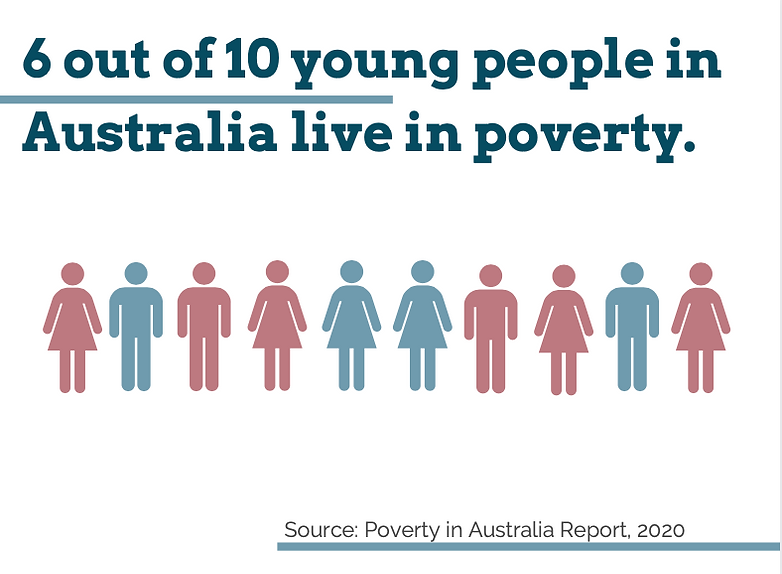
According to the Poverty in Australia 2020 Report, there is currently one in six Australian children and young people living in poverty.
Doctor Rosalyn Black, a Senior lecturer of Education at Deakin University, emphasised the importance of digital access for young people during Covid-19 and highlighted the socio-economic nature of the issue.
“Covid-19 has put enormous pressures on young people, their educators and their families,” she said.
“Some schools have had to maintain some form of face-to-face learning opportunities for young people who don’t have adequate digital access.
“This is problematic within itself but it really allows us to recognise the lack of digital access that socio-economic disadvantage brings with it.”
While gaps in access are not a new issue, Covid-19 has recently allowed the issue to resurface into public debate with many students feeling the impacts in some form.
The Father Bob Maguire Foundation is among the many organisations that work to counter digital poverty and accessibility issues that affect young people.
Ms Yen Siow, the RoboBus Program Manager at the Father Bob Maguire Foundation says a lot of their requests come from schools in low-socio-economic areas.
“The majority of requests come directly from schools with low-socio-economic families so we have a process where we ask the families if they have first sought help from the school as that’s where the accountability for the learning takes place,” she said.
Ms Siow also highlights the overlapping issues that contribute to lack of digital access.
“Digital poverty doesn’t just lie in the lack of resources like wifi, iPads or laptops, but in the lack of proper use of these devices for learning and career employment,” she said.
LACK OF DIGITAL LITERACY: THE GAP BETWEEN PARENTS AND CHILDREN
Although the digital divide is primarily a socio-economic divide, it is also an age-related divide.
This was definitely the case for Adib Taylor and his wife Feryal Monzer.
The parents of three had two high-school students and a university student all studying from home, and this is when they really began to feel the digital divide within their own family.

LIVING REMOTE: HOMESCHOOLING IN REMOTE AREAS DURING COVID -19
A LOOK INTO THE DIGITAL UNDERCLASS